When we enter a store and make a purchase, we rarely think about the mechanism of the cash register and how cash is stored. Yet behind this daily activity lies a whole technology and an organized system. One of the key elements of this system are money trays.

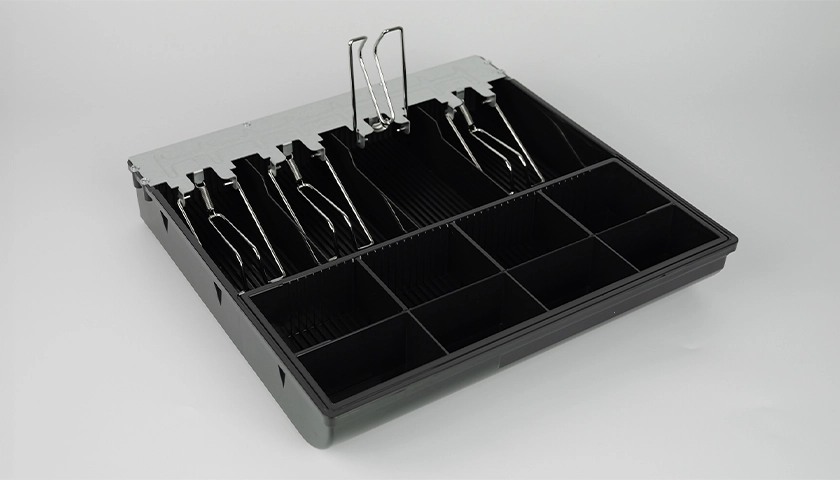
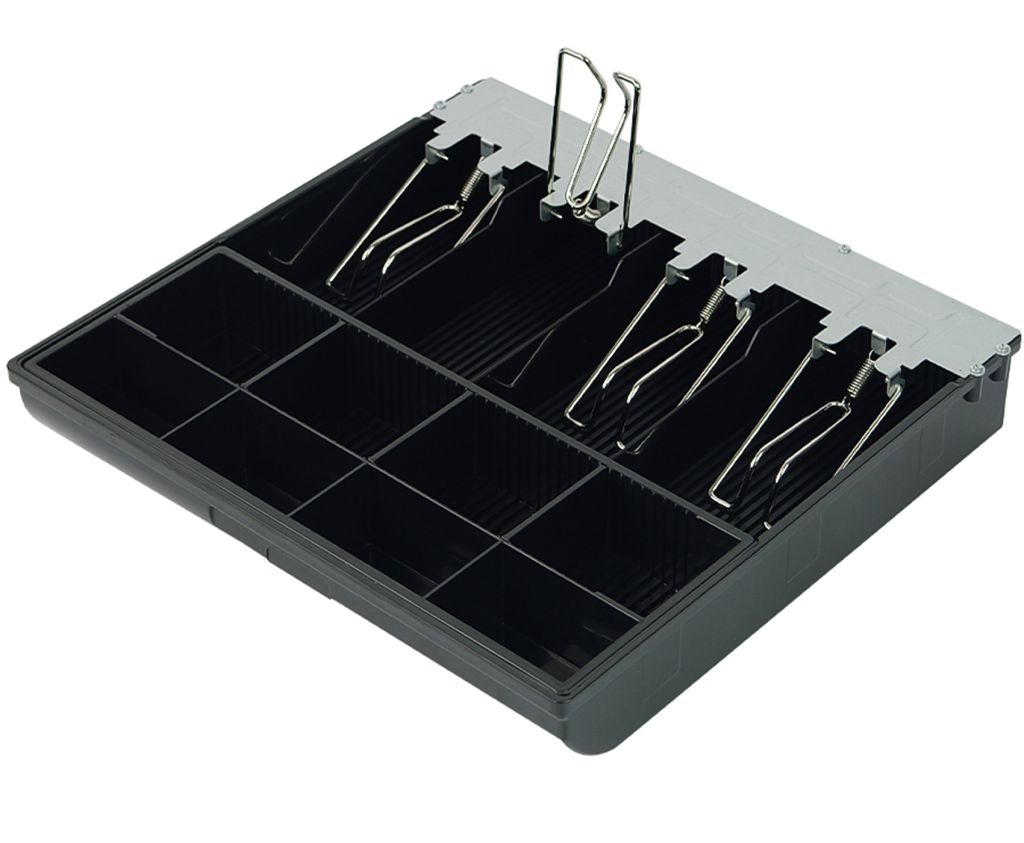
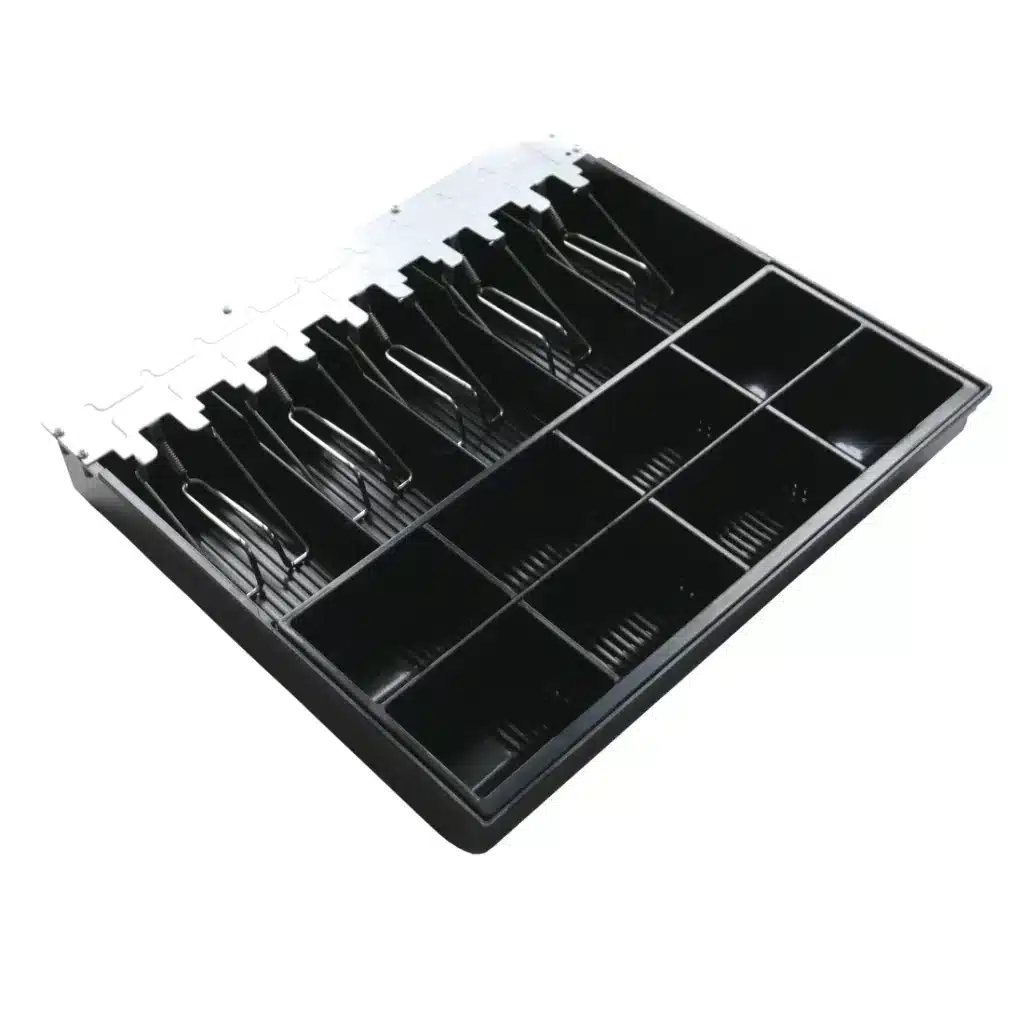
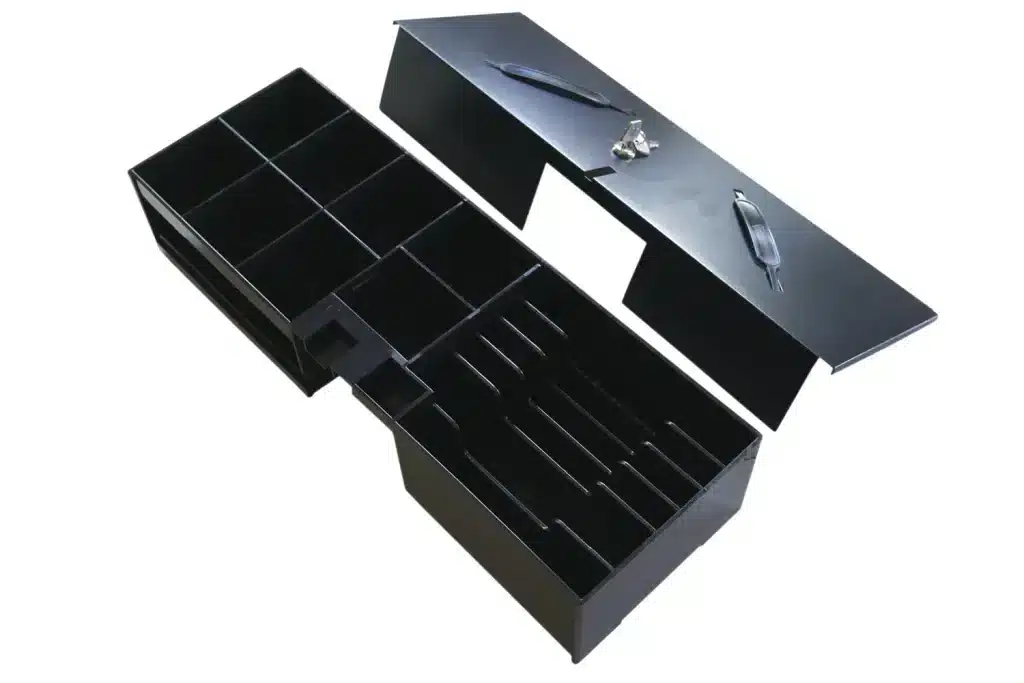
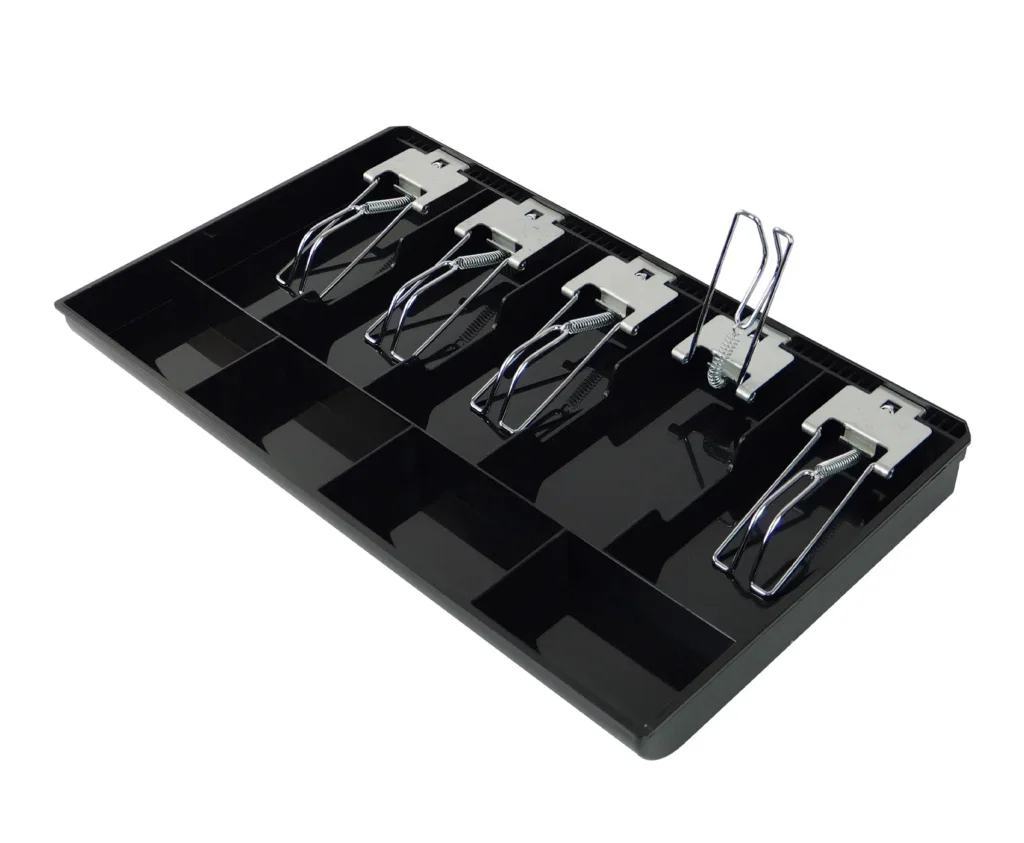
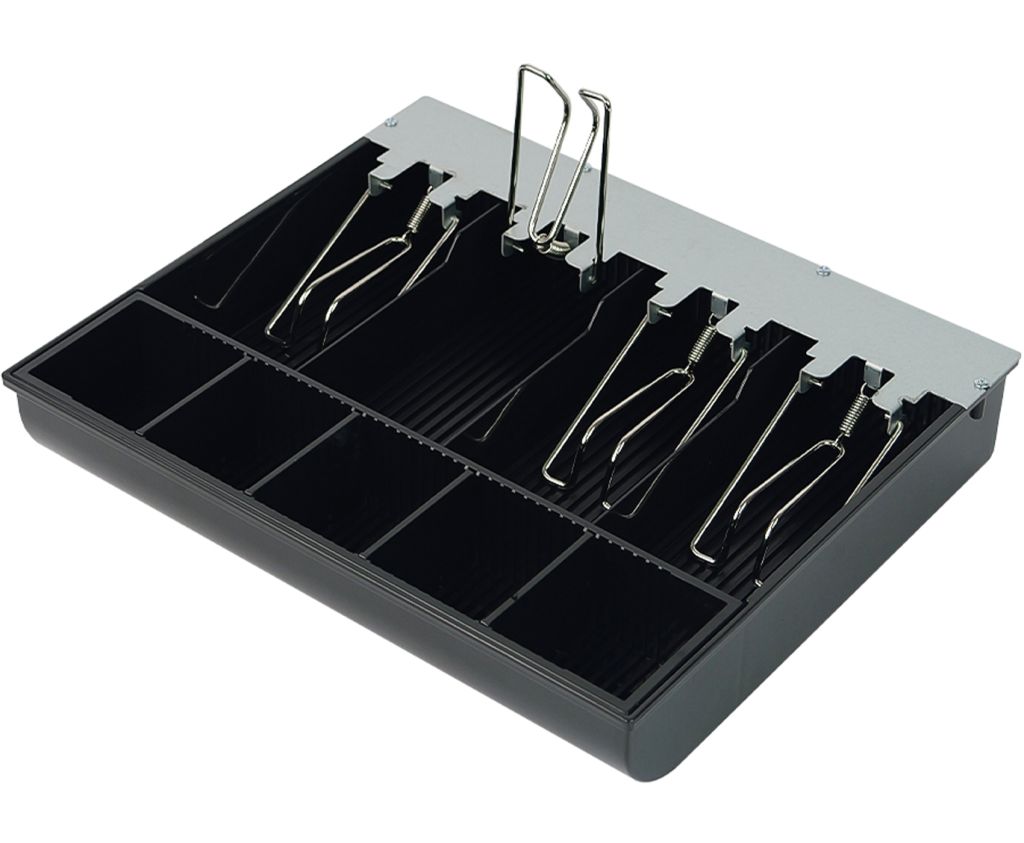
Money trays are usually divided into several compartments for coins and banknotes, allowing us to store each denomination separately depending on the model. This primarily contributes to order and transparency among cash. Money trays significantly facilitate giving change, which is crucial in the work of cashiers, accountants, or any other employee dealing with money on a daily basis.
Money organizers are made of high-quality synthetic materials, ensuring durability. Compartments for banknotes often feature spring-loaded clips that secure paper denominations in place.
The key advantage of money trays is their mobility. In case of malfunction or cleaning needs, they can be easily removed and replaced. Some modern models also offer special features such as locking systems or compartments for checks and documents.
The main function of money trays is to place them in a dedicated model of cash drawer. However, they can also be successfully used as standalone cash organizers stored in a desk drawer, cabinet, or even a safe.